09 Oct
On February 1, 1916, Ole Kirk Kristiansen bought a woodworking and carpentry shop in Billund, Denmark. He produced doors, windows, kitchen cabinets, cupboards.
In October 1929 the Wall Street stock market crash occurred, with dramatic consequences for the World economy. Companies collapsed, industry had its back to the wall, agriculture was hit hard. The USA and UK placed restrictions on imports, and this brought the crisis directly to Danish farming communities – butter and bacon prices fell sharply, and as these products represented a huge section of Danish exports, life became very difficult for Danish farmers.
Ole Kirk Christiansen was struggling. He had dwindling work and four young sons to feed. His wife had died, leaving him a single father. Times were tough. Ole decided to pivot. In 1932, he started making wooden toys. It wasn't an instant success. He barely made ends meet and Christiansen often had to trade his toys for food. His son Godtfred began working for him, and the two struggled. In 1935, Ole decided to further concentrate on toy production. This decision involved finding a new name for the company. The company changes its name after Ole held a competition among employees to find a new name.
The competition winner (who claimed the prize of a bottle of Ole’s home-made wine) was Ole himself, who played with the two Danish words LEG GODT (meaning Play Well) to produce the LEGO name. The new name is officially used from January 1936. However, it wasn’t until after WWII that the Lego brick would take shape.
In 1947, Ole purchased a plastic injection moulding machine. In the same year, he acquired plastic bricks made by a British company called Kiddicraft. Nevertheless, he began producing his own version, which they named Lego Bricks. In 1958, Ole died, and his son Gottfried inherited leadership of the company. The history of Lego entered a new era. Throughout the 60s, Lego grew rapidly. Sales expanded to the USA and Lego began being produced under license by luggage manufacturer Samsonite.
Gottfred prepared a Lego constitution, ten basic characteristics that shaped company thinking to such an extent that they became the very core of product development and company ethos:
- Unlimited play possibilities
- For girls, for boys
- Enthusiasm to all ages
- Play all year round
- Stimulating and harmonious play
- Endless hours of play
- Imagination, creativity, development
- More Lego, multiplied play value
- Always topical
- Safety and quality
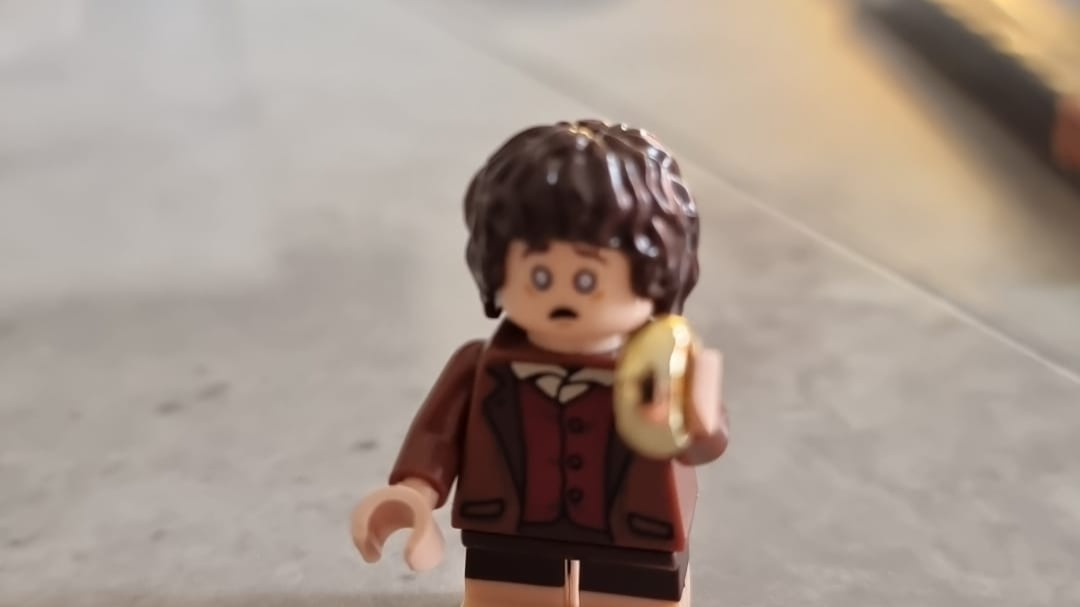
The history of Lego throughout the latter decades of the C20th was one of continuous expansion. In 1974, the first Lego human figures appeared. They evolved into the Lego Minifigure design, still in use today. In 1975, the company introduced more advanced building sets geared toward an older audience. These sets evolved into Lego Technic.
In 1988, the company introduced Lego Pirates and began adding different faces to the Minifigures. Before, they had just been standard smiley faces. Now, they had a whole range of emotions and facial features like beards and eye patches. However, throughout the 1990s and into the next decade, Lego suffered a decline in profits.
In 1999, Lego started producing licensed intellectual property. Star Wars and Harry Potter sets became available. But the next five years was characterised by struggle. In 2004, the company almost went bankrupt. Kjeld, who had succeeded his father Gottfred, stepped down as CEO and handed the position to Jørgen Vig Knudstorp, the first non-family CEO. Under Knudstorp, the company began to recover. It was mainly the Star Wars franchise that spurred sales. Lego became profitable again.
The release of new themes helped Lego recover, including in 2011, the Ninjago theme, which was accompanied by video games and a television series. The Ninjago theme is set in a fantasy world with ninjas and has become one of Lego’s most popular flagship sets.
Lego has sustained itself as a global brand and one of the World’s largest toy companies for sixty years, reinventing itself and pivoting as highlighted above regarding product and business strategy. It offers insights and takeaways to build into your startup venture business model:
Understand your target market demographics and their lifetime value Lego primary target audience started as young children. The company aimed to make toys that both boys and girls would want to play with. As Lego expanded, they continued adapting their core products to appeal to older children and teenagers. Niche markets were also introduced, including sets with education, robotics, and STEM themes.
Use strategic partnerships & collaborations to stimulate growth Lego is a great example of leveraging partnerships in their marketing and product strategy to drive growth and ensure their positioning remains relevant. In recent years this has included Star Wars, Marvel, Harry Potter, Lord of the Rings and Indiana Jones.

Community-driven marketing scales Lego fostered genuine customer engagement by letting fans craft unique creations and post them on their website, with the opportunity for them to become real products. Lego Ideas was launched in 2014. This is something that isn’t offered by many companies. By showcasing fan creations, Lego emphasises the importance and the value of their customers.
Social responsibility is a competitive tactic Lego has also played a role in education and STEM programs by making hands-on solutions for kids of all age groups. These learning tools are created to empower young people to become engaged and interested in learning. The sets come with lesson plans for teachers, encouraging use in the classroom. These STEM collaborations help Lego reach new audiences in educators and parents who want an educational toy for their kids to play with.
Build a brand positioning for the long-term Lego’s brand is built around core values of creativity, imagination, and learning through play. The company positions itself as a provider of quality toys that stimulate children’s creativity and problem-solving skills. This positioning is reinforced through its slogan, “Play Well,” which encapsulates its mission to foster creativity and learning in children.
Recognise core competencies Lego reverted to core values of creativity and learning, while continuously adapting to market trends and changing consumer preferences with product innovation. It built on core competencies of ability to innovate, engage, and remain relevant in the ever-evolving toy industry – although it had some challenges along the way.
Embrace a crisis Although you may face some fires along the way, you need to embrace crisis to forge a new path. There was the advance of video gaming in the 1990s and then web. Knudstorp took some bold decisions, with ‘reinvention’ being a key theme, and was fond of quoting a poem by T.S. Eliot that he believes captures its essence:
We shall not cease from exploration
And the end of all our exploring
Will be to arrive where we started
And know the place for the first time.
The toymaker’s trajectory from industry trailblazer to the brink of bankruptcy to sustained recovery shows no innovation lasts forever. Sometimes you get hyper growth for a couple of years, sometimes you get steady growth for longer. But innovations run their course. Lego failed to anticipate this, but engineered a number of great recoveries.
Product Innovation should be an ongoing habit Lego continually refreshed its product offerings to maintain consumer interest and engagement. The idea you start with may not be the one you end up with, and that’s okay. Innovation doesn’t mean abandoning your core product, Lego’s success came from innovating around their core product, not replacing it. Kjeld Kristiansen, grandson of Lego’s founder, said: The brick is our DNA. It’s the foundation of the Lego idea. Lego has expanded into video games, films, and robotics, but always with the brick at the centre. This approach allowed them to stay relevant without losing their identity.
Be Patient Patience is essential to obtaining success with a long-term strategy. It took two years to stabilise Lego and its cash flow. Family ownership enabled the deployment of patient capital to develop and execute a turnaround plan to change the culture, strategy, operating model, the fundamentals of the business, and get the product right. The learning and a new sense of urgency helped Lego improve product development time by 50%, and the company quickly realised that innovation around the core brick products and themes offered significant potential for renewal.
Maintain a customer-centric development process Growth slowed in the 1990s for a number of reasons – the rise in digital play experiences from companies such as Nintendo and Sony, the rise of Toys “R” Us and other ‘big box stores’, the expiration of Lego’s brick patents, and the relocation of production of Mattel’s and Hasbro’s products to China, lowering the cost of their competitive toys.
When the big box stores took over from its ecosystem of small toy stores, Lego lost an important route to market and also a channel for getting reliable customer feedback. It began to evolve product development practices to support design thinking principles, empowering experts to come up with ideas for new products based on that critical customer input, garnered from the Lego Ideas concept.
Summary Lego showed resilience and countered decline by returning to their Founder’s vision and core value proposition when customer connections begin to fray. They become distracted by expansion, hoping to find new growth outside of a business that had matured and slowed. The company regained its focus and intensity central to its early success, having lost confidence in the revenue potential of their iconic plastic toy bricks.
The history of Lego highlights a fundamental truth in business: innovation is not just about new ideas but about listening, learning, and adapting based on your users’ needs to identify opportunities. This enabled Lego to enjoy fifteen years of growth during which they doubled in size every five years. Understand who your customer is, and what they care about — that’s the way to think about innovation.
.